Updated On: 16 Aug 2026
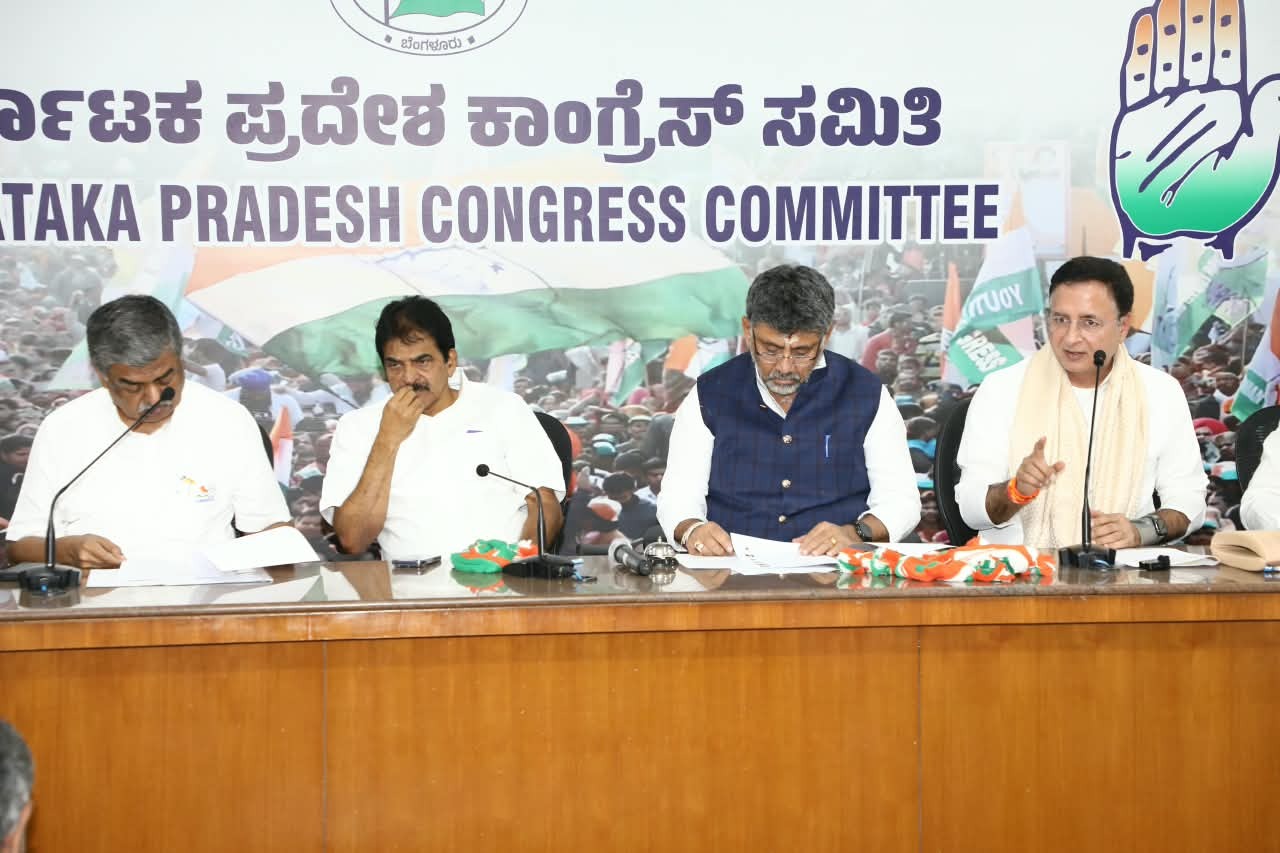
BENGALURU: AICC general secretary Randeep Singh Surjewala on Wednesday criticised the Centre over the introduction of a Merchant Discount Rate (MDR) on certain high-value UPI merchant transactions, alleging that the move would burden ordinary Indians and undermine the country’s digital payments ecosystem.
From October 15, a 0.4% MDR will apply to specified person-to-merchant (P2M) UPI transactions above Rs 2,000. The charge will be capped at Rs 300 for transactions of Rs 75,000 and above. Person-to-person (P2P) payments will remain free, while eligible small merchants will also continue to receive zero-MDR benefits. The government has clarified that MDR is a merchant-side charge and not a tax collected from consumers.
Surjewala described the move as a “betrayal” and alleged that the government was turning UPI, which had helped expand digital and cashless payments, into a revenue-generating mechanism. He further claimed that the legal changes could allow the government to modify charges or extend them to other transaction categories in the future.
Citing government figures, Surjewala said UPI processed 24,162 crore transactions worth Rs 314 lakh crore during 2025-26 and estimated that transactions above Rs 2,000 accounted for around 63% of the total value. Assuming P2M transactions constituted 5% of the overall value, he calculated that the new 0.4% charge could impose an annual burden of around Rs 5,040 crore.
He argued that the cost could eventually be passed on by merchants to consumers. Surjewala also alleged that the move could benefit US-based companies such as PhonePe and Google Pay, which account for a substantial share of UPI transactions, and linked the development to earlier concerns raised by Visa and Mastercard over UPI and RuPay.
Questioning the financial justification for the charges, Surjewala cited an NPCI pre-tax operating profit of around Rs 1,900 crore and cash reserves of about Rs 6,119 crore. He also pointed to Rs 2 lakh crore in profits reported by public-sector banks in 2025-26 and the Rs 2.86 lakh crore surplus transferred by the RBI to the Centre.

The government, however, said the new framework is aimed at ensuring the long-term sustainability, security and expansion of UPI. It stressed that around 96% of P2M transactions will remain unaffected, while all P2P payments will continue to be free. Surjewala demanded that the Centre explain the rationale behind the new MDR and its implications for merchants and the wider digital payments ecosystem.