Updated on: 28 Jul 2026
Only 34 out of 200 girls receive the cervical cancer shot at a major government expo, highlighting the stubborn wall of vaccine hesitancy facing doctors.
NEW DELHI: The nurse gently swabbed the young girl’s arm, administering the life-saving dose while her mother stood closely by, offering a reassuring hand. Around them, however, a huddle of anxious parents bombarded doctors with a relentless stream of questions. Their concerns were not about the pinch of the needle, but about deeply entrenched rumors: Will this affect my daughter’s fertility? Will it disrupt her puberty?
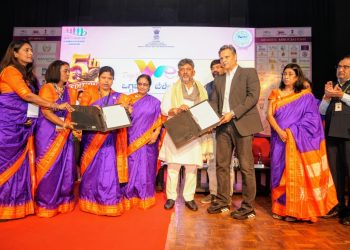
This scene encapsulated the sharp divide between medical science and public anxiety at the Delhi Government Achievements & Schemes Expo 2026, held at Bharat Mandapam from July 25 to 27.
By the close of the three-day flagship camp on Monday, the Delhi State Cancer Institute (DSCI) encountered a stark reality check. Out of a targeted 200 eligible girls, only 34 received the free Human Papillomavirus (HPV) vaccine. For oncology experts, the dismal 17% turnout represents a massive roadblock in public health: the grueling challenge of converting basic awareness into medical acceptance.
Myths Outpace Medicine on the Ground
The hesitation spans across demographics, affecting even those within the medical ecosystem. Shelly Dhingra, a healthcare professional from Ghaziabad, chose to withhold the vaccine from her 13-year-old daughter, Kavya, who had recently started her menstrual cycle.
“She has just got her periods, so I want to avoid any immediate issues in her menstrual health due to the vaccine,” Dhingra stated, citing fears over documented, temporary side-effects like mild fever, arm soreness, headaches, and dizziness.

Medical practitioners, however, emphasize that these apprehensions are entirely unfounded.
“Every second parent who comes to us asks whether this vaccine will affect their daughter’s ability to have children later. That is the most common concern we hear,” explained Dr. Shukla of the DSCI. “There is absolutely no scientific evidence linking the HPV vaccine with infertility or menstrual disruption. But parents hear these claims repeatedly through social media, and they want firm reassurance.”
Dr. Shukla noted that short-term exhibition camps face an uphill battle against deeply rooted digital myths. “Three days at an exhibition are rarely enough to undo myths that have circulated for years. Awareness is growing, but trust takes longer to build,” she said, advocating for long-term, sustained counseling through schools.
The Massive Stakes: India’s Fight Against Cervical Cancer
The sluggish rollout stands in sharp contrast to the aggressive national push to eliminate the disease. Launched earlier this year by Prime Minister Narendra Modi from Ajmer, the ambitious nationwide program aims to vaccinate 1.2 crore girls annually via government health facilities. As of July 15, 2026, more than 52.1 lakh girls have successfully received the shot across India.
The stakes could not be higher. Persistent infection from high-risk strains of HPV—specifically types 16 and 18—is responsible for nearly all cases of cervical cancer. According to data from the Union Health Ministry, cervical cancer ranks as the second most common cancer among Indian women, claiming nearly 80,000 lives and striking over 1.2 lakh new patients every single year.
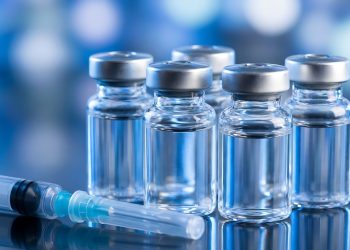
To combat this, the government utilizes the Gardasil vaccine (manufactured by US drugmaker Merck), administered as a highly effective single dose to 14-year-old girls. The vaccine guards against four distinct HPV types: 6 and 11 (which cause the vast majority of genital warts) alongside 16 and 18 (which trigger 70% to 80% of cervical cancers).
A Slow Evolution Toward Trust
While hesitation dominated the narrative, the camp also drew informed parents acting on personal experience. Sandhya Khosla, a lawyer practicing at the Delhi High Court, brought her 11-year-old daughter, Umaira, specifically to get the shot. Khosla had received the HPV vaccine herself a decade ago at a private clinic, long before the public rollout.
“I already knew about the benefits of this vaccination from my own experience,” Khosla said, confirming she had suffered zero short- or long-term side effects. “I made sure my daughter receives her shot on time.”
Beyond the 34 administered vaccines, the DSCI stall served as a crucial frontline diagnostic hub, logging over 300 inquiries regarding HPV. The team also conducted vital oncology screenings over the weekend, identifying risks early across multiple disciplines.
| Screening Type | Total Conducted (3 Days) |
| Oral Cancer | 30 screenings |
| Cervical Cancer | 22 screenings |
| Prostate Cancer | 20 screenings |
Public health officials remain optimistic, viewing the slow initial uptake as part of a familiar trajectory in public medicine. “Just like the polio vaccine,” noted Dr. Akanksha Sinha, Senior Resident in DSCI’s preventive oncology department, “awareness and acceptance of the HPV vaccine will improve steadily over time.”