Updated On: 05 Sep 2026
A child carrying extra weight may appear to be getting plenty of food, but weight alone does not tell the full story about nutrition. Childhood obesity can coexist with deficiencies of essential vitamins and minerals, creating what experts call the “double burden” of malnutrition — excess weight alongside inadequate nutrition.
The concern is particularly significant during childhood and adolescence, when the body and brain undergo rapid growth and require a steady supply of essential nutrients. A child may consume more calories than needed while still failing to get the nutrients necessary for healthy development.
Calories Are Not the Same as Nutrition
Children need a balanced combination of macronutrients — protein, carbohydrates and healthy fats — as well as micronutrients such as iron, calcium, vitamin D, zinc, vitamin B12 and folate.
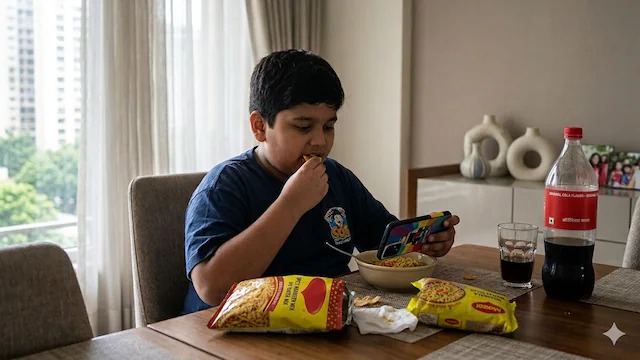
However, foods high in calories are not necessarily rich in nutrients. A diet dominated by sugary drinks, sweets, processed snacks, fried foods and refined carbohydrates can provide substantial energy while being low in fibre, vitamins and minerals.
Such eating patterns can contribute to excessive weight gain while leaving gaps in nutrients important for immunity, bone development, blood formation and brain function. This is why assessing a child’s health solely through weight or BMI can be misleading.
Food Choices Can Create Hidden Gaps
The problem is not simply how much a child eats, but what makes up the diet. Children naturally tend to prefer foods that are tasty, easily available and convenient. Unfortunately, many such choices are high in sugar, sodium and unhealthy fats.

Skipping a balanced breakfast can also encourage greater calorie consumption later in the day. Similarly, choosing soft drinks instead of water or milk and convenience foods instead of nutritious meals can reduce the overall quality of the diet.
Variety is equally important. Children who regularly avoid vegetables, fruits, legumes, whole grains, dairy products and other nutrient-rich foods may not receive adequate amounts of several essential vitamins and minerals, even if they are consuming enough calories.
Nutrients That Matter During Growth
Protein is essential for muscle development, tissue growth and repair. Calcium and vitamin D support strong bones, while iron is needed to produce haemoglobin, transport oxygen throughout the body and support brain development.
Other micronutrients, including zinc, vitamin A, folate and vitamin B12, contribute to immunity, metabolism, blood production and normal growth.
Therefore, an overweight child should not automatically be considered well-nourished. The quality, variety and nutritional value of the diet are just as important as the amount of food consumed.
Obesity Can Add to the Challenge
The relationship between excess weight and nutritional deficiencies can be complicated. Obesity may influence how the body metabolises or makes certain nutrients available. Vitamin D, for example, is often found at lower levels among people with obesity, although several factors can affect vitamin D status.
This does not mean that every overweight child has a vitamin or mineral deficiency. Instead, it highlights the importance of looking at each child’s nutritional needs individually rather than assuming that excess weight means adequate nutrition.
Look Beyond the Weighing Scale
Parents should focus on a child’s overall health, growth and development rather than weight alone. Meals should include a variety of foods from different groups — protein sources such as beans, legumes, eggs and dairy products, along with vegetables, fruits, whole grains and healthy fats such as nuts and seeds, depending on the child’s age and needs.
Overweight children should not be subjected to severe calorie restriction or have important food groups eliminated without professional guidance. Excessive restriction can itself contribute to nutritional deficiencies. The emphasis should instead be on improving food quality, appropriate portions, variety and healthy eating habits.
When Should Parents Seek Help?
Certain signs may warrant professional evaluation. If an overweight child frequently feels tired, has difficulty concentrating, falls ill often or shows consistently low energy, parents should discuss these concerns with a paediatrician.
A doctor can assess the child’s growth pattern, dietary intake, physical activity and overall health and recommend a nutritional assessment or specific tests if required. Height and weight should be evaluated according to age, sex and growth pattern rather than viewed in isolation.
Healthy Habits without Stigma
Discussions about childhood obesity should centre on health, not appearance or blame. Criticising or name-calling children because of their weight can negatively affect their relationship with food and body image.
Instead, families can create a healthier environment by making nutritious foods readily available, limiting sugary drinks and junk food, encouraging regular physical activity and maintaining consistent meal and sleep routines.
The Bigger Picture
Being overweight and being malnourished are not mutually exclusive. A child can consume too many calories while still missing vital nutrients. Focusing only on the weighing scale or calorie count can therefore allow nutritional deficiencies to go unnoticed.
The goal should be healthy growth and development, not weight loss alone. A balanced diet, regular physical activity and professional guidance when necessary can help ensure children receive the nutrients they need. For parents, the message is clear: a child’s health should be measured not just by weight, but by the quality of their diet, growth and overall development.