Updated On: 09 Sep 2026
Polycystic ovary syndrome (PCOS) is a common hormonal disorder that affects the endocrine, metabolic and reproductive systems. It is estimated to affect about one in 10 women and can cause symptoms such as irregular periods, excess facial hair, acne, weight gain and difficulty conceiving.
PCOS is also closely linked to insulin resistance and metabolic health. While there is no single approach that works for everyone, dietary and lifestyle changes can play an important role in managing symptoms and improving overall health.
Can PCOS be reversed?
PCOS is a complex condition, and there is no guaranteed way to permanently “reverse” it. However, some women can achieve significant improvement or remission of symptoms with appropriate medical care, nutrition, physical activity and lifestyle changes.
Early management can help control symptoms, improve metabolic health and support reproductive health. Treatment should be individualised based on symptoms, health status and fertility goals.
How strength training may help
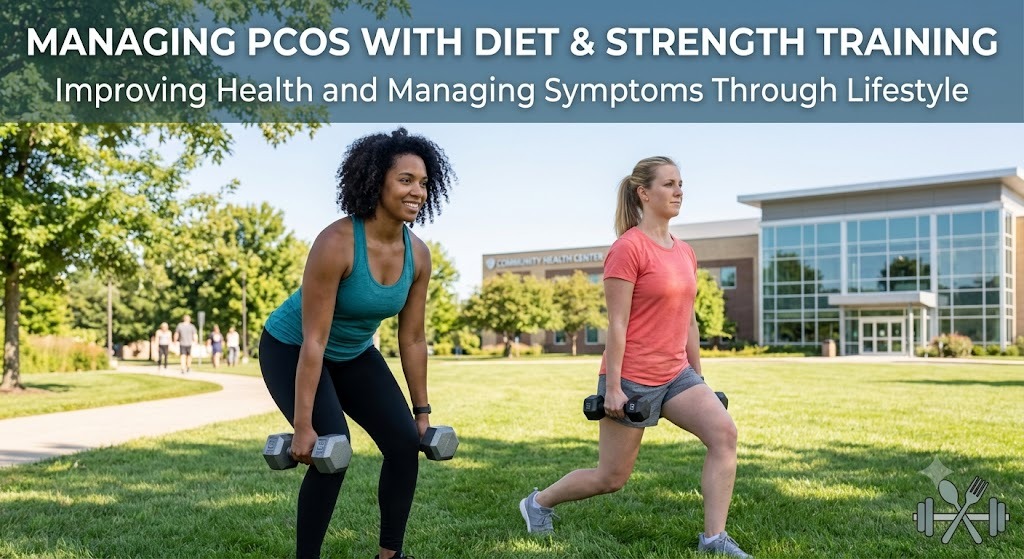
Strength training is increasingly recognised as a useful component of PCOS management. Building muscle can improve insulin sensitivity and help the body use glucose more effectively.
Regular resistance exercise may contribute to better blood sugar control, improved ovulation, lower androgen levels, better fertility outcomes, weight management and reduced abdominal fat.

Women new to strength training can begin with exercises suited to their fitness level and gradually increase intensity. Combining resistance training with walking or other forms of cardio can provide additional benefits.
Diet and PCOS
Diet can influence blood sugar, insulin sensitivity, hormone regulation, inflammation and weight management, all of which may affect PCOS symptoms.
A balanced diet should generally include adequate protein based on physical activity levels, fibre-rich foods, whole grains, fruits, vegetables and healthy fats. These foods can support metabolic and overall health while helping maintain stable energy levels.
Processed and ultra-processed foods, sugary drinks and excessive refined carbohydrates should be limited where possible. Rather than following a highly restrictive diet, focusing on sustainable, nutrient-rich food choices may be more practical.
What improvements can women expect?
With appropriate medical guidance and consistent lifestyle changes, women with PCOS may experience more regular periods, improved ovulation, lower androgen levels, better fertility, improved energy and easier weight management.
The extent of improvement varies considerably between individuals and depends on factors including the severity of symptoms, insulin resistance, weight, medications and other health conditions.
When can changes be seen?
There is no fixed timeline for improvement. Some metabolic changes, such as better blood sugar control and energy levels, may occur within a few weeks. Changes in weight, body composition, hormones and menstrual patterns may take several months.
Fertility, insulin resistance, skin symptoms and weight management may also improve over three to six months in some women, although individual results vary.
Exercise needs balance
Strength training does not need to be a daily activity to benefit women with PCOS. A beginner-friendly programme can be adjusted according to fitness, energy levels and recovery needs.
Adequate sleep and recovery are also important. Women experiencing significant fatigue or other persistent symptoms should discuss their exercise and treatment plans with a healthcare professional.
PCOS cannot be reliably described as a condition that can simply be “reversed”. However, with appropriate medical supervision, a balanced diet, regular physical activity and sustainable lifestyle changes, many women can manage their symptoms and improve their metabolic, reproductive and overall health.