Updated on: 23 Jul 2026
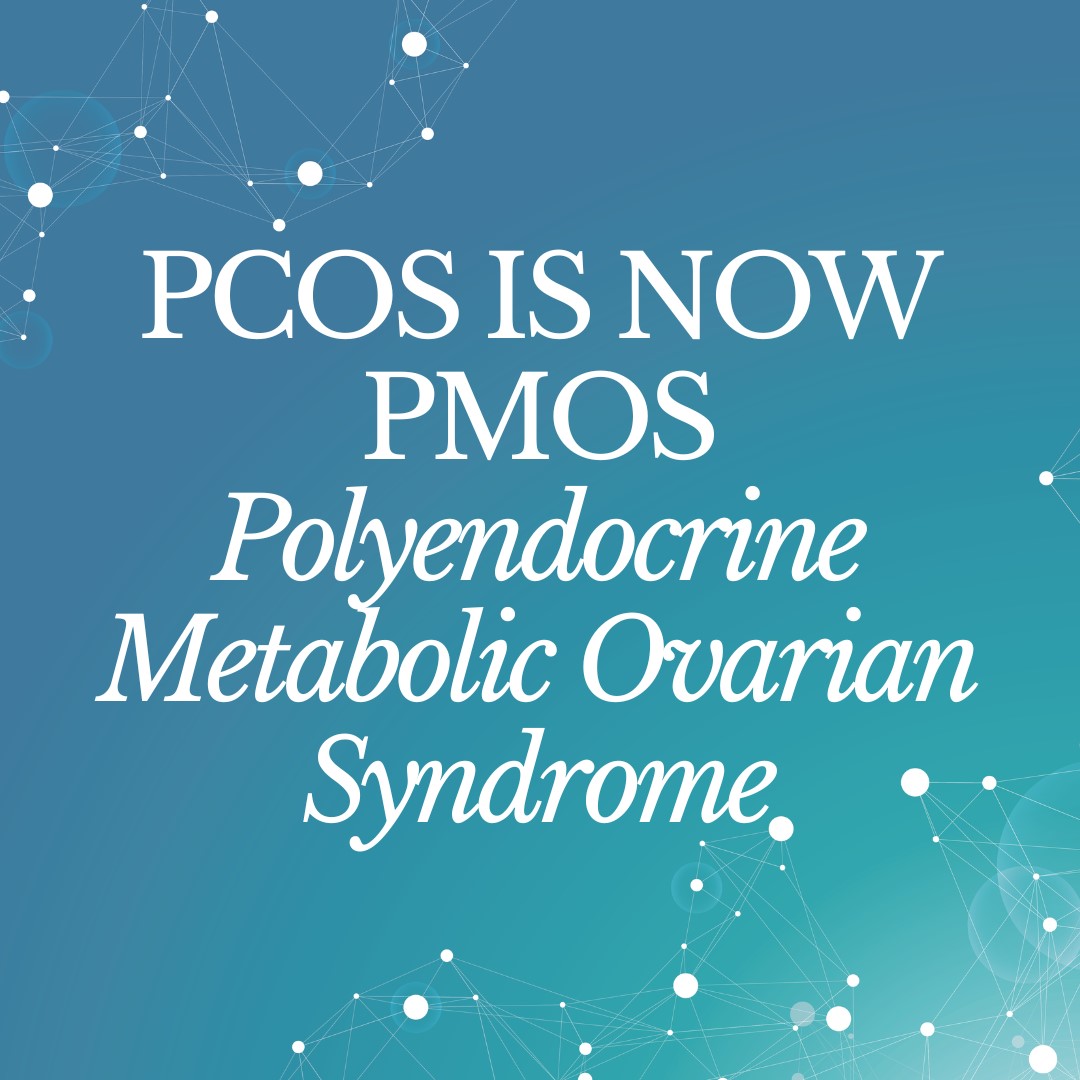
Polycystic Ovarian Syndrome (PCOS), a condition affecting nearly one in eight women worldwide, has been officially renamed Polyendocrine Metabolic Ovarian Syndrome (PMOS) to better reflect its widespread effects on multiple organs and body systems rather than just the ovaries.
Previously known as PCOS or Stein-Leventhal syndrome, PMOS is now recognised as a disorder involving endocrine, metabolic and ovarian dysfunction. Experts say the condition is caused by imbalances in hormones such as oestrogen, progesterone, androgens and insulin.
Doctors currently diagnose PMOS when a woman meets at least two of three criteria: irregular menstrual cycles, elevated testosterone levels and polycystic ovaries. The condition is one of the leading causes of female infertility and is also associated with long-term risks such as insulin resistance, Type 2 diabetes and obesity.
Globally, around 10–13 per cent of women of reproductive age are estimated to have PMOS, although nearly 70 per cent of cases remain undiagnosed. Health experts believe the previous name created confusion because many women with the condition do not actually have polycystic ovaries, while some women may have polycystic ovaries without having the syndrome.
Researchers now describe PMOS as a multisystem disorder that affects not only reproductive health but also the endocrine, metabolic, psychological and dermatological systems. Many women experience symptoms such as depression, anxiety, acne, excessive hair growth, irregular periods and weight fluctuations.
Women living with the condition have welcomed the name change, saying it better reflects the challenges they face beyond reproductive health. Many also hope the new terminology will encourage greater research, awareness and improved medical support.

The renaming follows years of advocacy by researchers and patients, who argued that the term PCOS placed too much emphasis on ovarian cysts instead of the underlying hormonal and metabolic dysfunctions. Experts believe the new name provides greater scientific accuracy and will help improve diagnosis rates while reducing stigma, particularly among adolescents, for whom ovarian cysts are not a diagnostic requirement.
Healthcare professionals also believe the change will encourage a more holistic, patient-centred approach to treatment, recognising PMOS as a condition affecting the entire body rather than only the ovaries.
Although there is currently no cure for PMOS, doctors say lifestyle modifications, hormone management and appropriate medical treatment can help control symptoms and improve quality of life. Experts hope the new name will encourage more women to recognise the signs, seek timely diagnosis and receive appropriate care.