Updated on: 21 Jul 2026
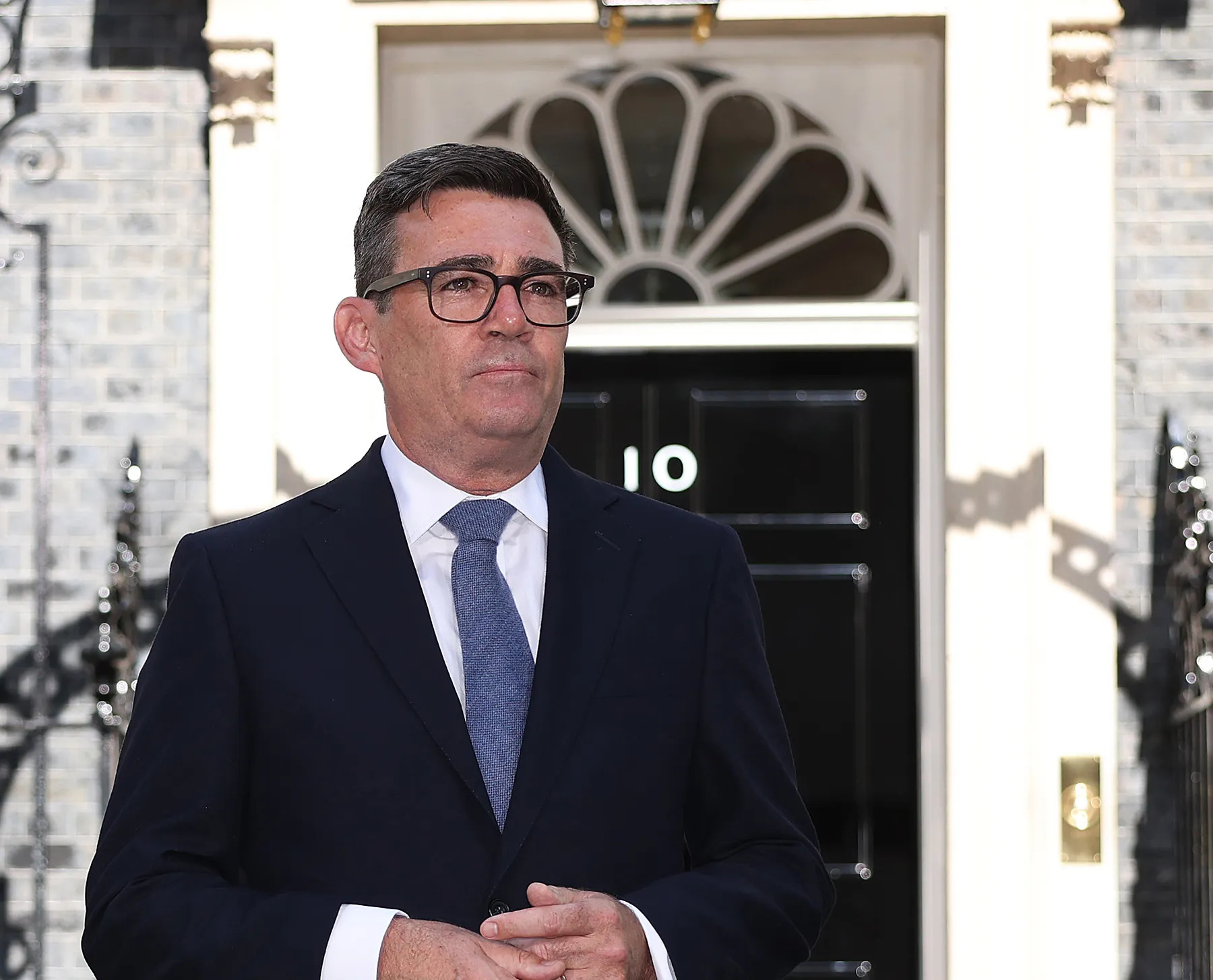
LONDON: Andy Burnham began his first full day as UK Prime Minister on Tuesday after taking office amid strong public support and a series of domestic and international challenges. He succeeds Keir Starmer as Britain faces a slowing economy, rising living costs, pressure on public services and growing foreign policy demands.
After serving as Mayor of Greater Manchester for nearly a decade and returning to Parliament last month, Burnham now leads a country of 70 million people. Alongside domestic issues, his government must respond to the wars in Ukraine and the Middle East while managing relations with US President Donald Trump.
Burnham’s immediate priority is tackling the cost-of-living crisis. He is expected to unveil plans to fund measures aimed at easing household expenses. Britain’s economic outlook has weakened following the Iran conflict, with slower growth and rising inflation forecast this year.
A key part of Burnham’s agenda is devolving more powers and funding to local authorities while bringing some public services back under public control. His economic approach, known as “Manchesterism”, combines public and private investment to improve transport, housing and infrastructure, though analysts say it may take years to deliver results.
However, Burnham has limited room for higher spending as Labour had ruled out increasing major tax rates. He has indicated he may consider a wealth tax, saying the government might need to ask more from those who can afford it.
On foreign policy, Burnham has pledged to honour NATO commitments, support Ukraine and maintain Britain’s nuclear deterrent. He has also promised to preserve close ties with the United States while handling relations with President Trump with respect, despite previous disagreements. The two leaders spoke on Monday, with Burnham reaffirming Britain’s commitment to protecting shipping in the Strait of Hormuz and supporting the security of its allies.

Defence spending is expected to be another major challenge. Trump has urged NATO members to increase military spending, and Burnham may face pressure to go beyond the current £15 billion defence plan, which military leaders say is insufficient. Questions also remain over how far his government will strengthen ties with the European Union after Brexit.
The Israel-Hamas war remains another sensitive issue. Burnham has criticised Starmer’s approach to Gaza and said the UK could consider further sanctions against Israelis linked to violence and illegal settlements. His comments have drawn criticism from both Jewish organisations and pro-Palestinian groups, reflecting the political sensitivity of the issue.
Migration is also expected to remain high on the government’s agenda. Burnham has largely backed Labour’s existing policy, noting that net migration has fallen sharply from 2023 levels and Channel crossings have declined this year. He has pledged to continue reducing illegal migration while expanding safer and legal routes.
As Burnham begins his premiership, he faces the difficult task of reviving the economy, improving public services, strengthening defence, managing international relations and addressing migration, with mounting expectations at home and abroad.